
Direct answer: Q4 2026 BSI enforcement is a registration-enforcement initiative: the Federal Office for Information Security (BSI) is reported to begin formal hearings for entities that apparently should have registered under the NIS2 Implementation Act (NIS2UmsuCG), with administrative fines of up to €500,000 under §65 BSIG. Ordered technical audits are planned from Q1 2027 for essential entities. The engineering remediation blueprint is therefore two-track: close the administrative registration gap immediately, and instrument evidence-generating CI/CD and supply-chain controls now so the technical evidence register exists before regulatory auditors ask.
For German Mittelstand engineering leads, Heads of IT, and software platform owners, the common mistake is treating NIS2 either as a pure annual policy check or as an immediate pipeline audit panic. By understanding what is enforced now versus what is audited in 2027, engineering organizations can implement a 90-day DevSecOps sequence that generates compliance proof as an automated by-product of daily delivery.
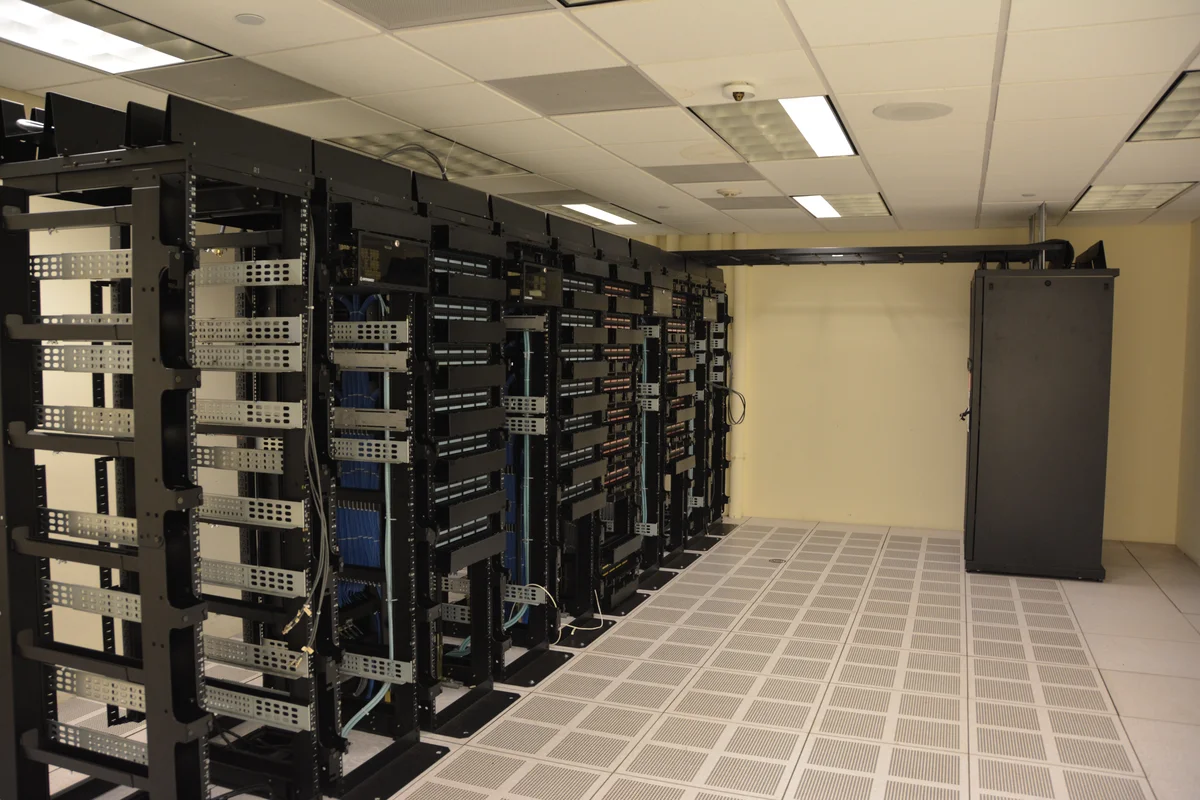 Figure 1: Delivery infrastructure in scope for NIS2 encompasses source control, CI runners, container registries, and production hosting environments.
What Q4 2026 enforcement actually is — and what it is not
Germany’s NIS2 implementation law, the NIS2UmsuCG, has been in force since 6 December 2025, with no general transition period. The registration deadline for most in-scope entities ended on 6 March 2026. By 30 September 2026, the BSI counted 20,373 registrations against an expected 29,500–30,000 affected entities across Germany. That persistent compliance gap of nearly 10,000 entities is the operational trigger for Q4 2026.
According to reporting attributed to BSI division leadership, the BSI will use Q4 2026 to execute a targeted registration-enforcement initiative: it will contact entities that apparently should have registered, beginning with a formal hearing. An administrative fine of up to €500,000 is applicable under §65 BSIG if the registration duty was breached. For essential entities (besonders wichtige Einrichtungen), the BSI plans to order technical audits from Q1 2027 under §61 BSIG; important entities (wichtige Einrichtungen) face direct supervisory action where specific facts indicate an ongoing breach.
This regulatory distinction establishes the required sequence of work:
- Q4 2026 risk: Administrative and legal—missing or incorrect registration, late registration submissions, or an undocumented out-of-scope determination.
- 2027 risk: Technical and documentary—whether the baseline security measures under §30 BSIG are implemented, effective, and verifiable through auditable artefacts.
Regulatory notice: This guide separates binding statutory law from reported administrative enforcement plans and technical engineering recommendations. Classification and registration duties under the BSIG must be confirmed with qualified legal counsel.
Why DevSecOps and CI/CD evidence belong in a NIS2 response
NIS2 is not a "security tool purchasing" mandate. It is a risk-management, accountability, and evidence statute. Section 30 BSIG requires appropriate, proportionate, and effective technical and organizational measures, and explicitly mandates continuous documentation of compliance. The statutory catalogue of minimum measures spans ten core areas:
- Risk analysis and information security concepts;
- Incident handling and notification preparedness;
- Business continuity management and regular backup validation;
- Supply-chain security and ICT vendor relationships;
- Security in network and information systems acquisition, development, and maintenance, including vulnerability management and responsible disclosure;
- Effectiveness assessments and control audits;
- Basic cyber hygiene training and secure coding practices;
- Cryptography and data encryption policies;
- Human resource security, access control, and asset management;
- Multi-factor authentication and secured communication channels.
For software-producing or ICT-dependent Mittelstand companies, several of these obligations are generated and proven directly inside the delivery pipeline, rather than in annual static policy binders. Automated dependency scanning, software bill of materials (SBOM) generation, container image signing, Infrastructure-as-Code (IaC) verification, and policy-as-code engines establish a by-product evidence trail: an immutable, timestamped, reproducible record that a mandatory security control operated on every individual release.
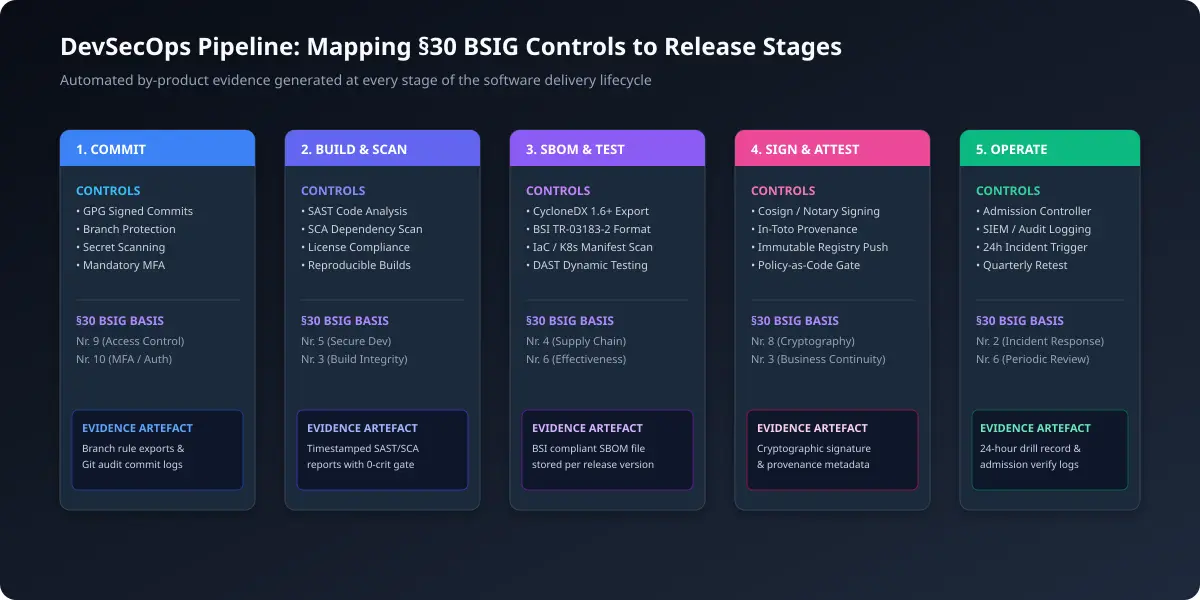 Figure 2: Automated by-product evidence generated across the commit, build, test, sign, and operate stages of the delivery lifecycle.
The §30 BSIG measures that touch engineering
The table below outlines a practical engineering mapping of §30 Abs. 2 BSIG requirements to automated pipeline controls and corresponding audit artefacts:
| §30 BSIG requirement | Engineering control pattern | Evidence artefact produced |
|---|---|---|
| Risk analysis & security concepts (Nr. 1) | Threat model per product or platform; architecture decision records (ADRs) for trust boundaries | Version-controlled threat model, ADR git history, and risk register export |
| Incident handling (Nr. 2) | Pipeline-integrated security alerts; automated ticketing linked to 24-hour BSI notification runbook | Incident runbook repo, ticketing audit trails, post-incident review documents |
| Business continuity / backup (Nr. 3) | Immutable artefact repositories, hermetic build environments, automated restore drills | Backup verification logs, OCI retention policy config, reproducible build proofs |
| Supply-chain security (Nr. 4) | Software vendor inventory, dependency lockfiles, CycloneDX/SPDX SBOM generation, supplier requests | Release SBOMs (BSI TR-03183-2 format), vendor declarations, exception register |
| Secure dev & maintenance (Nr. 5) | Static (SAST), Software Composition (SCA), Dynamic (DAST), secret scanning, vulnerability SLAs | Scan result exports, blocking gate logs, patch SLA tracking records |
| Effectiveness checks (Nr. 6) | Policy-as-code validation (OPA/Kyverno), gate policy drift monitoring, sample audit drills | Versioned policy repos, gate enforcement reports, quarterly sampling records |
| Training (Nr. 7) | Role-based secure-coding onboarding, developer security champion curriculum | Training attendance logs, security training sign-off matrix |
| Cryptography (Nr. 8) | KMS-managed signing keys, short-lived OIDC tokens, automated TLS certificate lifecycles | Key management policies, Cosign/Rekor signing transparency entries, cert logs |
| Access control & admin (Nr. 9) | Least-privilege CI/CD service accounts, protected branch rules, peer code review enforcement | Branch protection rulesets, role-based access logs, privilege review records |
| MFA & secure channels (Nr. 10) | Mandatory phishing-resistant MFA for git platforms, CI runners, artefact registries, cloud consoles | IdP conditional-access exports, MFA enforcement compliance reports |
A 90-day remediation sequence for Mittelstand engineering leads
This remediation sequence is designed for a company that is already registered or actively submitting registration and requires an audit-defensible technical evidence file before 2027 regulatory reviews begin. It is structured strictly by architectural dependency: you cannot evidence what you have not yet instrumented.
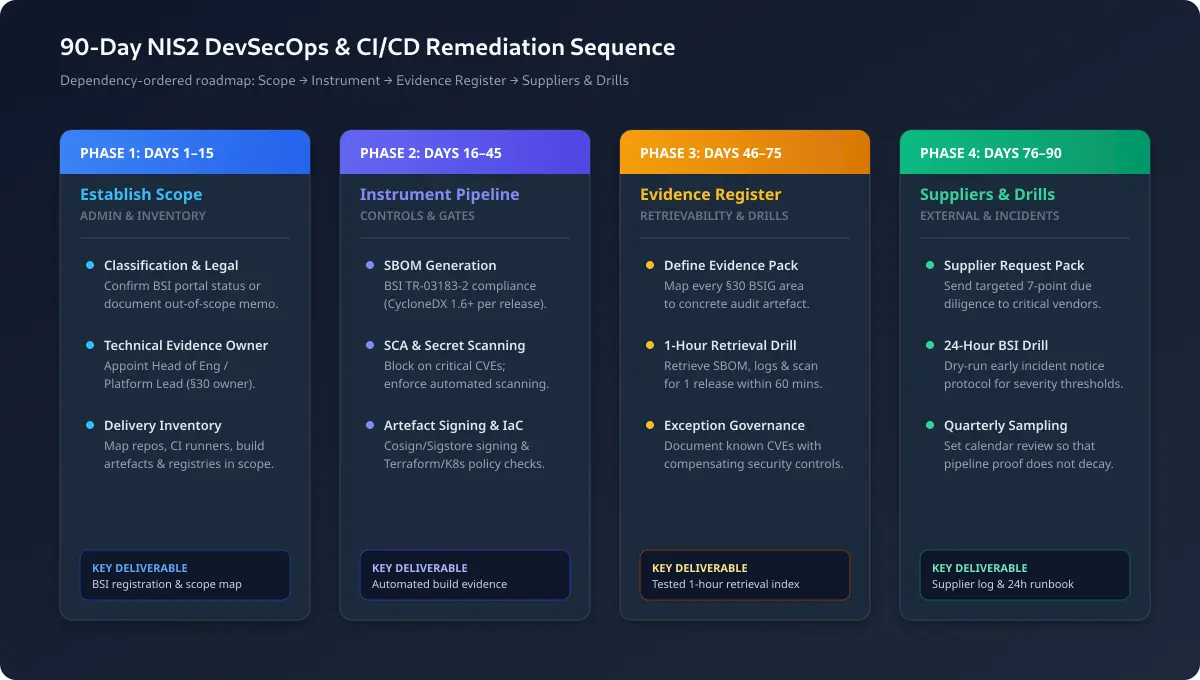 Figure 3: A dependency-ordered remediation sequence: scope first, then instrument, then evidence, then extend to suppliers.
Days 1–15: Establish scope and ownership
- Verify entity classification and portal status. If unregistered, immediately engage qualified counsel to assess whether your company qualifies as an essential entity, important entity, or is out of scope. If registered, review the portal submission to ensure legal representative details and operational sector tags are accurate.
- Appoint a technical evidence owner. This responsibility belongs with the Head of Engineering, Principal Architect, or Platform Engineering Lead—not solely the legal department or external CISO. Section 30 BSIG requires documented technical implementation; someone must own the technical evidence register.
- Inventory the delivery ecosystem. Map all source control repositories, build runners, container registries, artifact caches, Infrastructure-as-Code definitions, and cloud hosting accounts that support NIS2-relevant digital services.
Days 16–45: Instrument the pipeline
- Automate SBOM generation per build. Instrument build pipelines to produce an SBOM for every production release using CycloneDX 1.6+ or SPDX 3.0.1+. In Germany, BSI TR-03183-2 serves as the authoritative technical reference: it mandates a separate SBOM per software version and prohibits embedding volatile vulnerability statuses directly inside the static SBOM file itself.
- Implement automated SCA and secret scanning gates. Configure Software Composition Analysis (SCA) to block pull requests containing critical Common Vulnerabilities and Exposures (CVEs) with public exploits. Add pre-commit and pipeline secret scanning to catch leaked credentials before commit history is pushed.
- Sign container images and binary artefacts. Use Cosign or standard PKI tooling to cryptographically sign build outputs. Store signature attestations in an immutable transparency log or internal OCI registry alongside the image.
- Introduce Infrastructure-as-Code (IaC) linting. Run automated policy checks (e.g., Checkov, Trivy, or tfsec) against Terraform modules and Kubernetes manifests to catch misconfigurations prior to cluster application.
- Enforce MFA and eliminate long-lived runner tokens. Enforce multi-factor authentication across your GitHub, GitLab, or Bitbucket organizations. Transition CI/CD deployment jobs from static cloud credentials to short-lived OpenID Connect (OIDC) identity federation.
Days 46–75: Build the evidence register
- Assemble the standard evidence pack. Index every pipeline artefact back to its statutory §30 BSIG requirement (see table below).
- Conduct a 1-hour tabletop retrieval drill. Pick one random past production release and challenge your engineering team: Can you produce its exact SBOM, dependency vulnerability scan, image signature verification log, gate approval record, and cloud deployment digest within 60 minutes? If retrieval takes days of manual log digging, fix the archiving and indexing mechanism immediately.
- Institutionalize the exception register. A known vulnerable dependency paired with an active mitigating control (such as a Web Application Firewall rule or disabled feature flag) is an accepted risk-management practice under §30 BSIG. An unrecorded vulnerability is an audit non-conformity. Document risk acceptance with formal engineering sign-off.
Days 76–90: Extend to suppliers and operations
- Deploy the supplier evidence pack. Distribute targeted inquiries to critical software, SaaS, and managed IT providers requesting SBOM availability, patch disclosure SLAs, and security contact protocols.
- Operationalize the 24-hour BSI notification drill. Section 32 BSIG requires submitting an early incident warning to the BSI within 24 hours of detecting a significant cyber incident, followed by a formal incident update within 72 hours. Rehearse this notification workflow with engineering, legal, and operational leadership.
- Schedule quarterly evidence sampling. Compliance evidence decays quickly when pipelines evolve. Lock a recurring quarterly audit sampling review on the engineering calendar to verify that pipeline gates remain actively enforced.
What auditors and customers will ask for: the evidence register
Regulatory auditors under §61 BSIG and enterprise enterprise B2B customers executing vendor due diligence do not want 80-page Word documents describing intended security philosophies. They ask for tangible proof that controls operate consistently across production workloads.
A baseline evidence register for a software-producing or ICT-dependent company should index the following nine core artefacts:
| Evidence item | What it proves to auditors | Recommended retrieval source | Typical retrieval target |
|---|---|---|---|
| Registration confirmation / memo | Proof of administrative compliance or formal out-of-scope determination | BSI portal receipt / legal classification memo | Immediate (< 5 min) |
| Release SBOM (CycloneDX / SPDX) | Software supply-chain transparency conforming to BSI TR-03183-2 | OCI registry / Artefact store attached to release tag | < 15 min |
| Dependency-scan report with timestamps | Active vulnerability identification and blocking policy enforcement | SCA platform / CI pipeline build log archives | < 15 min |
| Artefact signature & verification log | Cryptographic integrity and provenance of delivered application code | Sigstore / Rekor transparency log entry / KMS signing log | < 10 min |
| Gate policy configuration history | Continuous effectiveness of security gates via policy-as-code | Version-controlled security policy repository | < 10 min |
| Risk exception register with approvals | Documented, approved risk management for known CVEs | GRC portal or dedicated engineering issue-tracker queue | < 20 min |
| Supplier evidence declarations | Due diligence and supply-chain risk assessment under §30 Nr. 4 | Central procurement & vendor compliance repository | < 30 min |
| Incident playbook & drill record | Operable incident handling and 24-hour notification readiness | Runbook repository and annual drill documentation | < 30 min |
| MFA & access control audit exports | Enforced least-privilege administrative access and MFA protection | Identity provider (IdP) conditional-access reports | < 20 min |
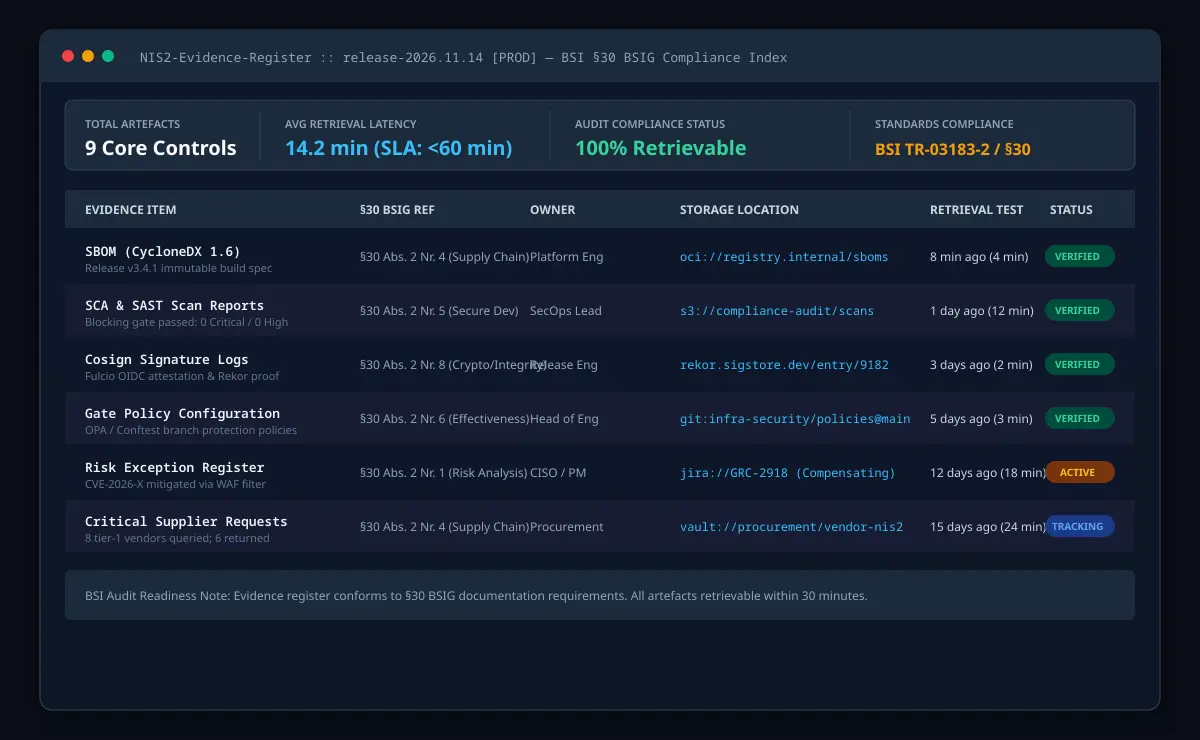 Figure 4: The evidence register is a verified retrieval index, not an unindexed document dump.
Illustrative decision framework: what to remediate first
When engineering capacity is constrained, teams must avoid spreading resources thinly across all twenty security domains simultaneously. Use this decision matrix to determine your team's immediate priority:
| Current operational situation | First engineering priority | Why this order matters | Immediate audit evidence produced |
|---|---|---|---|
| Unregistered, in scope | Formal registration or documented legal position | Q4 2026 BSI enforcement targets administrative registration. Technical excellence does not shield against §65 fines. | BSI registration acknowledgement or legal memo |
| Registered, no SBOM generated | Automate CycloneDX SBOM generation per release | Supply-chain transparency is an explicit §30 requirement and the most frequent vendor questionnaire demand. | CycloneDX XML/JSON artifact linked to current release |
| Registered, SBOM exists, no signing | Implement Cosign container & binary signing | Proves artefact integrity between the build runner and deployment target; prevents unauthorized tampering. | Cryptographic signature log and provenance attestation |
| Critical vendor cannot supply SBOM | Document vendor risk assessment & compensating control | §30 BSIG requires managing supply-chain risks proactively; you cannot wait indefinitely for vendor roadmap updates. | Vendor risk assessment memo with approved compensating control |
| Pipeline secure, weak incident drill | Conduct 24-hour BSI incident notification rehearsal | The 24-hour statutory early warning leaves zero margin for organizational hesitation during an active breach. | Rehearsal protocol, notification runbook, and drill minutes |
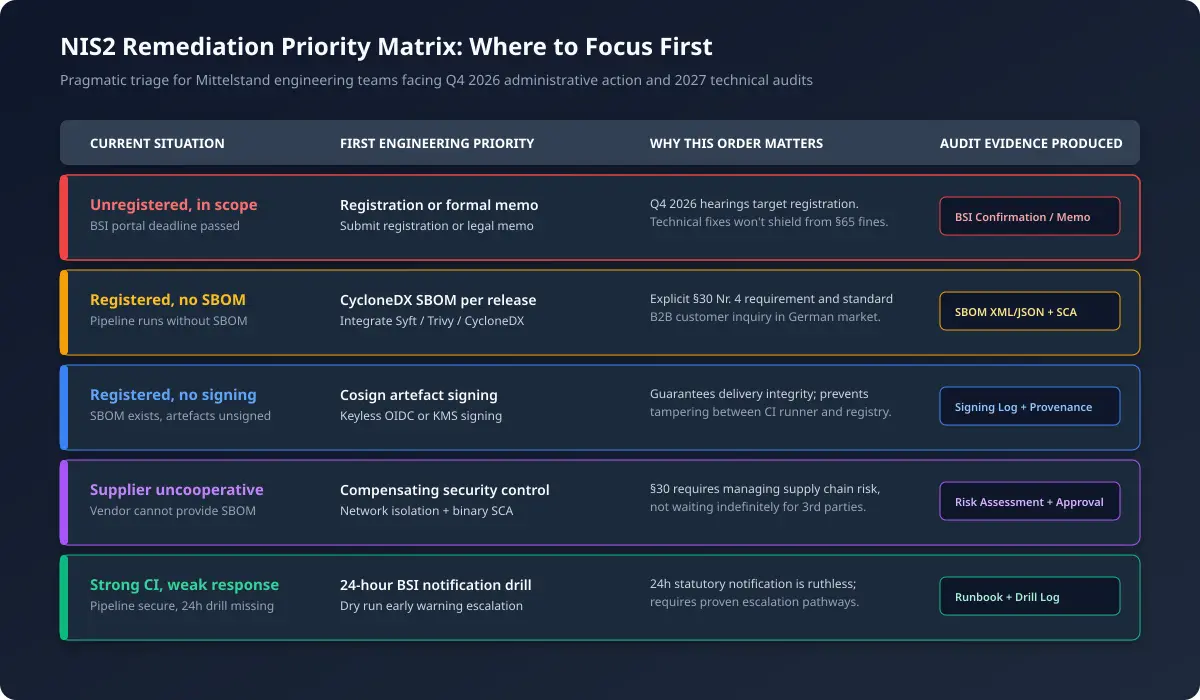 Figure 5: Use the remediation priority matrix to choose your first technical control without stalling delivery.
Supplier evidence: what to request and what to do when a supplier cannot answer
Broad vendor outreach emails asking "Are you NIS2 compliant?" yield useless generic marketing brochures. Instead, send third-party software and cloud suppliers a structured, seven-point technical evidence inquiry:
- Exact product and version identification: Specific component, version, and build tag covered by the response.
- Standard SBOM delivery: Availability of machine-readable SBOMs (CycloneDX 1.6+ or SPDX 3.0.1+) delivered on each release or quarterly.
- Vulnerability disclosure contact: Published security advisory portal, security.txt endpoint, and dedicated reporting inbox.
- Remediation SLAs: Contractual or documented patch timelines for Critical (CVSS 9.0+) and High (CVSS 7.0–8.9) vulnerabilities.
- Secure development verification: Attestation of automated SAST/SCA controls in vendor build pipelines and signed release artefacts.
- Incident notification commitment: Written agreement to notify your organization within 24 hours if a security breach compromises your data or service availability.
- Fourth-party dependencies: Identification of critical sub-processors or hosting cloud providers underlying the delivered software.
What to do when a supplier cannot provide answers
Section 30 BSIG requires companies to manage supply-chain security risks—it does not demand that every external component be immediately replaced if a legacy vendor is non-compliant. If a critical supplier cannot provide an SBOM or patch SLA:
- Record the deficiency: Log the supplier's inability to provide evidence in your central risk register.
- Implement compensating controls: Isolate the vendor's component using network egress filtering, dedicated VPC boundaries, container sandboxing, or binary vulnerability scanners (e.g., running Syft/Grype on vendor-supplied binaries).
- Formalize executive risk acceptance: Have the system owner and CISO sign off on the compensating control and document a scheduled review date.
This documented risk assessment demonstrates to BSI auditors that your organization identified, evaluated, and actively mitigated the supply-chain exposure in full alignment with statutory standards.
Field experience note: implementing CycloneDX and signed provenance in a Mittelstand pipeline
In practical engineering engagements supporting German mid-sized software producers, the greatest initial resistance to NIS2 compliance usually comes from developers fearing that security gates will break daily builds and stall deployments.
During a recent pipeline remediation for an industrial SaaS platform with 35 engineers, the initial dependency scan flagged 142 historical vulnerabilities—most of which were low-impact dev dependencies or unexploited library functions. Had management enforced an immediate "zero findings" blocking gate, feature development would have ceased entirely.
Instead, the team adopted a phased gating protocol:
- Week 1–2 (Observation): Automated Syft and Trivy generation was added to the build matrix to produce CycloneDX 1.6 JSON files as build artefacts without failing pipelines.
- Week 3–4 (Critical Blocking): Gating was introduced strictly for Critical (CVSS >= 9.0) vulnerabilities with available public exploits (CISA KEV catalog). This immediately blocked three genuine supply-chain risks while allowing normal delivery to proceed.
- Week 5–6 (Keyless Signing): GitHub Actions runners were configured with Cosign to sign container images using GitHub's OIDC token exchange, outputting verifiable signatures to the internal registry without storing long-lived private keys on build machines.
Within 45 days, the platform achieved an automated, audit-ready evidence pack for every production deployment—reducing average evidence retrieval time from over three days of manual developer queries to under 12 minutes.
Common mistakes and when to involve a specialist
Common engineering mistakes to avoid
- Conflating Q4 2026 registration with 2027 technical audits: Focusing exclusively on CI/CD tooling while neglecting the BSI portal registration leaves your company exposed to immediate administrative fines under §65 BSIG.
- Treating SBOM generation as a compliance finish line: Generating an SBOM file and letting it sit unindexed in a temporary storage bucket proves nothing. Auditors require proof that the SBOM is actively monitored against new vulnerability disclosures.
- Applying uncalibrated blocking gates that halt production: Imposing blanket zero-tolerance policies on minor dependencies causes developer friction and inevitably leads teams to disable pipeline checks altogether.
- Trusting supplier security certificates blindly: An ISO 27001 certificate from a vendor does not guarantee that the specific version of software delivered to your pipeline is free of critical vulnerabilities or tamper-proof.
- Building a static evidence binder: Treating compliance as a once-a-year documentation sprint creates stale records. Evidence must be generated as continuous telemetry during the build and release process.
When to involve external specialists
Organizations should seek specialized external assistance for:
- Formal legal classification and scoping: Determining precise entity status (essential vs. important) and evaluating group entity thresholds across parent and subsidiary corporations.
- Independent penetration testing & red teaming: Validating external attack surfaces and verifying that pipeline admission controllers cannot be bypassed.
- Cloud & OT architectural boundary reviews: Hardening complex multi-tenant environments, industrial control systems, or specialized critical infrastructure.
- Active incident response: Managing suspected breaches requiring emergency containment and formal statutory notifications under §32 BSIG.
FAQ
Does Q4 2026 BSI enforcement mean my CI/CD pipeline will be audited immediately?
No. Q4 2026 is reported as a registration-enforcement initiative targeting entities that failed to register on the BSI portal by the statutory deadline. Ordered technical audits under §61 BSIG are planned to begin from Q1 2027 for essential entities. However, because technical evidence must be generated across historical releases, instrumentation of CI/CD controls must take place now.
We registered late on the BSI portal. Are we now fully compliant?
No. Submitting registration is solely an administrative obligation. The operational risk management, supply-chain verification, and incident reporting obligations under §30 BSIG apply independently of registration timing. Late submissions should be formally recorded alongside legal counsel advice.
What is the minimum SBOM requirement under German NIS2 regulations?
There is no single "NIS2 SBOM Certificate." In Germany, the technical benchmark is BSI TR-03183-2, which specifies utilizing standard machine-readable formats (CycloneDX 1.6+ or SPDX 3.0.1+), delivering a discrete SBOM per software release, and separating vulnerability data from the immutable package manifest.
Do all Mittelstand companies have to sign every software artefact?
There is no universal statutory command stating every single binary must carry a cryptographic signature. However, artefact signing (e.g., using Cosign or Sigstore) provides definitive technical evidence of software integrity and supply-chain authenticity under §30 Abs. 2 Nr. 8 BSIG, and is increasingly mandated in enterprise B2B procurement contracts.
What administrative fine applies for missing or late BSI registration?
Section 65 BSIG establishes administrative fines of up to €500,000 for failing to register, submitting incomplete information, or missing statutory registration deadlines. This administrative fine is separate from the substantially higher penalties applicable for security measure breaches (up to €10m or 2% of global turnover for essential entities).
How long should an engineering organization retain CI/CD pipeline evidence?
While §30 BSIG does not prescribe an exact number of days for every individual log file, industry best practice for regulated entities is retaining release evidence packs (SBOM, scan results, signing logs) for the duration of the supported product lifecycle plus the active regulatory audit cycle (typically three to five years).
Can our company rely on existing ISO/IEC 27001 certification?
An existing ISO/IEC 27001 Information Security Management System (ISMS) provides an outstanding operational foundation. However, ISO certification does not automatically fulfill NIS2-specific requirements, such as statutory 24-hour incident notifications to the BSI, specific BSI TR-03183-2 SBOM formats, or mandatory managing director personal liability rules. A dedicated NIS2 gap analysis remains necessary.
Where should an engineering team start if it has zero dedicated security engineers?
Begin with scope determination and retrieval testing, not vendor software procurement. Confirm your BSI portal status, document your delivery architecture, and run a 1-hour tabletop retrieval exercise on a single production release. The specific friction points discovered during retrieval will dictate exactly which pipeline controls need automation first.
Conclusion: one next step
The Q4 2026 regulatory headline focuses on administrative registration. The lasting operational defense focuses on verifiable evidence.
If your organization is unregistered or uncertain of its classification under the NIS2UmsuCG, resolve that status immediately with legal counsel. Once registration is confirmed, select one in-scope production release and conduct an evidence retrieval drill: can your platform team produce its complete SBOM, vulnerability scan history, cryptographic signature, and gate approval within 60 minutes? If not, closing that retrieval gap represents your first 30-day remediation sprint.
If your team requires assistance scoping infrastructure boundaries and security controls, our security and managed IT services support cloud architecture reviews, access governance, and business continuity validation. For engineering organizations seeking to harden deployment pipelines and automate continuous compliance proof, our custom software development practice implements pipeline controls and evidence automation within a defined system boundary. You can also contact our engineering team to review your specific architecture requirements.
References
- §30 BSIG — Risikomanagementmaßnahmen besonders wichtiger Einrichtungen und wichtiger Einrichtungen. Buzer.de Legal Database
- BSI TR-03183-2 — Cyber Resilience Requirements, Part 2: Software Bill of Materials (SBOM), Version 2.1.0. Federal Office for Information Security (BSI)
- BSI — NIS-2 in Zahlen — Official registration statistics and supervisory overview. BSI Portal